
The modern wellness movement has embraced cold exposure as a foundational practice. Cold plunges, cold showers, and deliberate cold exposure have entered mainstream wellness conversations, and for good reason—the evidence supporting cold exposure for recovery, immune function, and stress resilience is genuinely compelling.
But here’s where many cold plunge enthusiasts miss a critical piece: cold exposure creates specific challenges for your body, and your hydration strategy during and after cold exposure determines whether you’re optimizing recovery or working against yourself.
This is where the intersection of cold plunge culture and premium mineral-rich water becomes particularly relevant. The minerals in your water aren’t just supporting general health—they’re actively supporting your body’s ability to recover from deliberate cold stress.
Understanding Cold Exposure Physiology: What Happens in Your Body
When you immerse yourself in cold water, your body undergoes a series of dramatic physiological changes:
Immediate (0-3 minutes):
- Core body temperature remains relatively stable due to peripheral vasoconstriction
- Heart rate increases significantly
- Blood pressure rises
- Breathing becomes rapid and shallow
- Sympathetic nervous system fully activates (fight-or-flight)
- Catecholamine (adrenaline) levels spike
During Continued Exposure:
- Sympathetic activation continues
- Brown adipose tissue (brown fat) is activated and produces heat
- Cortisol levels rise
- Immune response activation begins
- Cardiovascular system is under significant stress
Immediately After (0-30 minutes):
- Sympathetic nervous system begins downregulating
- Core temperature rebound occurs (feeling of warmth)
- Hormone levels normalize
- Recovery physiology initiates
Extended Recovery (30 minutes to 24 hours):
- Immune system continues modulation
- Adaptation signaling occurs
- Cortisol normalizes
- DHEA and other recovery hormones are elevated
- Cardiovascular adaptation signals occur
The entire process is stressful to the body in a controlled, manageable way. That stress, when properly managed, triggers adaptation that strengthens resilience.
Where Hydration Becomes Critical
Here’s what many cold plunge practitioners miss: your body’s ability to manage this cold stress depends partly on electrolyte and mineral status.
During cold exposure, your body is managing:
- Significant cardiovascular stress
- Elevated cortisol and catecholamine levels
- Rapid breathing (which increases water loss)
- Peripheral vasoconstriction (which affects nutrient delivery)
- Sympathetic nervous system activation (which depletes magnesium)
All of this creates increased demands on your mineral systems. Your magnesium stores are being depleted through sympathetic nervous system activation. Your sodium and potassium balance is being disrupted. Your calcium-magnesium balance is being stressed.
If you approach cold plunges while mineral-depleted, the stress is greater and the recovery is slower.
If you approach cold plunges with optimal mineral status, the same stress is more manageable and recovery is faster.
This is where mineral-rich water becomes a genuinely practical tool, not a lifestyle accessory.
The Magnesium-Cold Stress Connection
Magnesium deserves particular attention in the context of cold exposure because of its role in stress response and recovery.
Sympathetic Nervous System Regulation: Magnesium is essential for downregulating the sympathetic nervous system. Cold exposure activates sympathetic dominance; adequate magnesium supports the transition back to parasympathetic (rest-and-digest) state.
Without adequate magnesium, your body remains in sympathetic overdrive longer. Recovery is slower. You may experience anxiety, insomnia, or elevated stress markers the day after cold plunges.
Cortisol Modulation: Magnesium helps regulate cortisol production and response. With adequate magnesium, cortisol elevation is appropriate and normalization is efficient. Without it, cortisol dysregulation can occur.
Cardiovascular Recovery: Cold exposure stresses the cardiovascular system. Magnesium supports cardiovascular recovery and protects endothelial function.
Sleep Quality: The night after a cold plunge is critical for recovery. Magnesium is essential for quality sleep, particularly the parasympathetic transition that allows deep sleep.
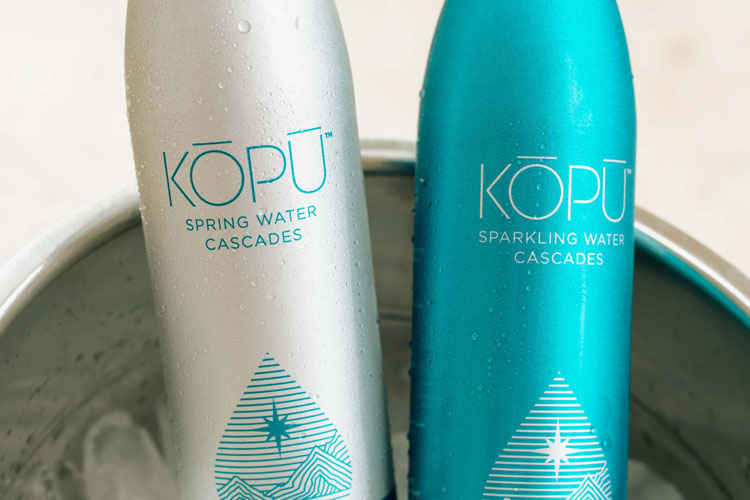
KOPU Water’s magnesium content (6 mg/L) provides meaningful magnesium at the moment your body needs it most—during the recovery window after cold exposure.
The Optimal Hydration Timeline for Cold Plunge Recovery
Here’s the strategic approach to hydration around cold exposure:
Pre-Cold Plunge (1-2 hours before): Drink a bottle of mineral-rich water to ensure you’re approaching cold exposure with optimal hydration and mineral status. This supports your body’s ability to manage the stress.
Post-Cold Plunge (0-30 minutes after): This is the critical window. Consume 500-750 mL (one bottle) of mineral-rich water immediately after exiting the plunge. Your body is in recovery mode and is highly responsive to nutrient and mineral absorption.
The minerals you’re consuming during this window have disproportionate impact because:
- Your sympathetic nervous system is beginning to downregulate, and magnesium supports this
- Your body is preparing for the rebound of core temperature; minerals support this process
- Your cardiovascular system is recovering; minerals support vascular function
- Your blood sugar is likely elevated from catecholamine response; minerals support glucose metabolism
This 30-minute window is when you get maximum benefit from mineral-rich hydration.
1-2 Hours Post-Cold Plunge: Consume another 500 mL of mineral-rich water with a carbohydrate and protein snack. This supports complete recovery and glycogen restoration.
Evening (if morning cold plunge): Consume a bottle of KOPU Water in the evening. The magnesium content supports the quality sleep that’s essential for complete recovery from cold stress.
Cold Plunges and Sleep Quality: The Magnesium Connection
One of the most common side effects of cold plunge practice is disrupted sleep the night of the plunge. Many people who cold plunge experience insomnia or light sleep.
This occurs because cold exposure elevates cortisol and maintains sympathetic activation longer than optimal. Magnesium helps downregulate this state.
By ensuring adequate magnesium through mineral-rich water consumed in the evening after cold plunges, you can significantly improve sleep quality that night.
The mechanism is straightforward: magnesium activates the parasympathetic nervous system and regulates melatonin. With adequate magnesium, your body can transition into deep sleep more easily, even after the morning’s cold stress.
Athletes and enthusiasts who adopt this protocol report noticeably better sleep the night of cold plunges.
The Electrolyte Balance Dimension
Beyond magnesium, the complete electrolyte picture matters for cold plunge recovery.
Cold exposure affects sodium and potassium balance. Sympathetic nervous system activation increases potassium loss. The stress on the cardiovascular system affects fluid distribution.
KOPU Water’s mineral profile provides:
- Potassium (2 mg/L): Essential for cellular hydration and cardiovascular function
- Magnesium (6 mg/L): Critical for nervous system recovery and stress modulation
- Calcium (6 mg/L): Works with magnesium for cardiovascular and nervous system function
- Minimal sodium: You don’t need sodium addition from water; you’ll get adequate sodium from food
This balanced profile supports your body’s ability to manage electrolyte stress from cold exposure.
The Cardiovascular Recovery Dimension
Cold plunges deliberately stress the cardiovascular system. That stress is the point—it triggers adaptation that strengthens cardiovascular resilience.
But proper recovery from that stress requires mineral support. Magnesium, calcium, and potassium all support cardiovascular function and recovery.
People with adequate mineral status demonstrate:
- Faster heart rate normalization after cold exposure
- Better blood pressure recovery
- Less cardiovascular strain from the cold stress
- Faster endothelial adaptation and recovery
Mineral-rich water consumed immediately after cold plunges supports this cardiovascular recovery.
The Immune Modulation Aspect
Cold exposure activates the immune system—increasing white blood cell count, activating certain immune pathways, and priming the body for potential infection exposure.
This immune activation is part of the adaptation benefit of cold exposure. But like other stress responses, it needs to be managed and normalized during recovery.
Magnesium and other minerals support immune regulation. Adequate mineral status supports the immune system’s ability to activate appropriately without overreacting or remaining activated excessively.
This is another mechanism through which mineral-rich hydration supports cold plunge recovery.
Cold Plunge Frequency and Hydration Strategy
The frequency of your cold plunges should inform your hydration strategy:
1-2 Times Per Week: Ensure overall adequate mineral status through daily mineral-rich water. Cold plunge-specific hydration becomes particularly important: mineral water before and immediately after plunges.
3-4 Times Per Week: Daily mineral-rich water becomes essential to maintain mineral status between plunges. The cumulative stress requires consistent mineral replenishment.
Daily or Near-Daily: This is high-stress practice. Premium mineral-rich water becomes foundational rather than supplementary. You should be consuming multiple bottles daily, with extra focus on pre- and post-plunge timing.
The Temperature and Duration Considerations
Cold plunge protocol varies: some people do 3-minute plunges at 50°F. Others do longer plunges at warmer temperatures (60°F). Some do multiple shorter plunges.
The principle remains the same: greater cold stress and longer duration require greater mineral support for recovery.
Your hydration strategy should scale with your protocol:
- More intense, longer cold plunges = more immediate post-plunge mineral hydration
- Multiple plunges = more mineral replenishment between plunges
- Regular practice = consistent daily mineral-rich hydration
The Comparison: Cold Plunge Recovery With and Without Mineral-Rich Water
The difference is tangible:
Without Adequate Mineral Support:
- Post-plunge anxiety or nervous tension persists hours after the plunge
- Sleep the night of the plunge is often disrupted
- Muscle tension or soreness emerges (from prolonged sympathetic activation)
- Cortisol remains elevated beyond normal
- Recovery and adaptation take longer
With Mineral-Rich Water Support:
- Post-plunge sympathetic activation normalizes within 30-60 minutes
- Sleep the night of the plunge is normal or improved
- Nervous system downregulation is smooth
- Cortisol normalization is efficient
- Recovery and adaptation are accelerated
The difference isn’t subtle. It’s the difference between cold plunges being a stress that impairs recovery and cold plunges being a controlled stress that triggers positive adaptation.
Combining Cold Plunges With Other Recovery Modalities
Mineral-rich water becomes even more powerful when integrated with other recovery practices:
With Heat Exposure: If you’re doing contrast therapy (cold plunge followed by sauna), mineral support becomes even more important. Sauna causes mineral loss through sweating; mineral-rich water replenishes.
With High-Intensity Training: If you’re combining cold plunges with intense training, mineral depletion is cumulative. Premium hydration is essential.
With Sleep Optimization: If you’re using cold exposure as part of performance training, the magnesium in mineral-rich water directly supports the sleep quality that maximizes adaptation.
With Stress Management: If you’re using cold plunges as part of a stress resilience practice, the magnesium in the water directly supports nervous system recovery.
FAQ: Cold Plunges, Hydration, and Recovery Questions
Q: How much water should I drink around a cold plunge? A: Immediately post-plunge, consume 500-750 mL (one bottle). In the following 1-2 hours, another 500 mL. Then continue normal daily hydration.
Q: Does timing of water consumption around the cold plunge matter? A: Yes. The 30-minute window immediately post-plunge is when your body is most responsive to mineral and water absorption. Prioritize this window.
Q: Do I need special electrolyte drinks or is mineral water sufficient? A: Mineral water alone is sufficient for recovery hydration. You’re getting minerals without sugar and artificial ingredients. If doing very high-intensity training or very long cold exposure, additional sodium might be warranted, but not necessary for standard cold plunge practice.
Q: Should I drink cold water or room temperature water after a cold plunge? A: The post-plunge rebound of core temperature is actually supported by consuming room temperature water. Avoid adding more cold stress. You want water that’s comfortable to drink.
Q: How does mineral water compare to sports drinks for cold plunge recovery? A: Mineral water provides minerals without sugar and without excess sodium. Sports drinks provide more sodium and sugar, which may be useful for very high-intensity training but isn’t necessary for cold plunge recovery.
Q: Will mineral water help with cold plunge-induced anxiety? A: Yes. The magnesium in mineral water supports parasympathetic nervous system activation, which calms post-plunge anxiety.
Q: Should I do cold plunges on an empty stomach? A: This is separate from water strategy, but having some nutrition before plunging can be beneficial. Adequate hydration and minerals matter more than specific food timing.
Q: Do I need additional magnesium supplementation if I’m drinking mineral water and doing cold plunges? A: For most people, no. KOPU’s magnesium content combined with dietary magnesium and daily mineral-rich water consumption is usually adequate.
The Dosage Question: How Much Cold Plunging Justifies Mineral-Rich Hydration Focus
Cold plunge practice varies enormously. Some people do once-weekly short plunges. Others do daily extended exposures. The frequency and intensity of cold exposure should inform your hydration strategy:
Occasional Cold Plunging (1-2x/month): Basic mineral-rich hydration is beneficial, but the specific recovery support becomes less critical because cold stress is infrequent.
Regular Cold Plunging (1-2x/week): Intentional mineral-rich hydration around plunges becomes genuinely important. The cumulative cold stress across multiple weekly exposures requires mineral support.
Frequent Cold Plunging (3-7x/week): Mineral-rich hydration becomes foundational. At this frequency, recovery support is critical. Premium water integration around plunges is essential.
Daily or Near-Daily Cold Plunging: This is high-stress practice. Mineral-rich hydration isn’t optional—it’s necessary for healthy adaptation to the repeated stress.
The principle: match your hydration strategy to your training intensity. Light occasional practice might not require premium hydration focus. Serious, frequent practice requires intentional mineral support.
Measuring Your Cold Plunge Recovery Improvements
One of the best ways to understand the impact of mineral-rich hydration on cold plunge recovery is to measure and track your improvements:
Sleep Quality Metrics:
- How quickly you fall asleep after a morning cold plunge
- How many times you wake during the night
- How rested you feel in the morning
- Quality of deep sleep (if you track with a device)
Recovery Markers:
- Muscle soreness intensity and duration following plunges
- Cardiovascular recovery speed (how quickly heart rate returns to baseline)
- Flexibility and mobility the day after exposure
- Mood and energy levels in the 2-3 days following
- Anxiety or nervous tension levels post-plunge
Training Capacity:
- Whether you’re able to train hard on consecutive days more comfortably
- Whether your performance is impaired less on days following cold plunges
- Whether your injury rates decrease
- Whether your rate of progress accelerates
By tracking these metrics before and after adopting mineral-rich hydration around cold plunges, you can objectively verify whether the intervention is genuinely working.
Most people who implement this protocol report noticeable improvements within 2-4 weeks: better sleep, faster nervous system recovery, improved mood, and better training capacity.
The Integration Into Wellness Practice
Cold plunging has become increasingly popular in serious wellness communities. But the practice without proper recovery support creates unnecessary stress on your system.
Mineral-rich water transforms cold plunge practice from a stressor that requires managing to a controlled stress that triggers positive adaptation.
This is what sophisticated wellness practice looks like: not pursuing the most extreme interventions, but ensuring that the interventions you choose are properly supported with foundational nutrition and hydration.
KOPU Water enables this integration elegantly. You’re simply drinking better water, and that water provides the mineral support your body needs for optimal recovery from cold exposure.
When mineral-rich hydration is combined with intentional cold plunge practice, the benefits compound. You’re supporting your system in adapting to stress rather than being overwhelmed by it. You’re creating conditions for genuine resilience.
Explore KOPU Water and integrate premium mineral-rich hydration into your cold plunge recovery protocol. Learn more about our complete mineral composition and how naturally balanced minerals support cold plunge recovery and adaptation.
Purity is the Ultimate Luxury.
