
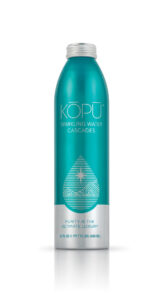
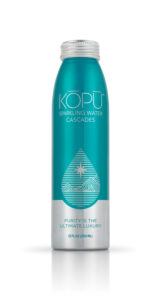
The distinction between naturally alkaline water and artificially ionized water ultimately comes down to source. Where water comes from determines what it becomes, and the story of KOPU Water’s origin in the Oregon Cascade Mountains reveals why source matters profoundly.
The Cascades aren’t just a geographic origin point. They’re a geological story—one that created water with properties that no machine could replicate, no matter the engineering sophistication.
Understanding this story requires moving beyond marketing into actual geology, actual chemistry, and actual differences that you can measure, taste, and experience.
The Cascade Mountains Geological Foundation
The Cascade Range is a volcanic mountain system stretching from northern California through Oregon and Washington. It was formed by volcanic activity over millions of years—a geological process that continues today, as evidenced by active volcanoes like Mount Hood and Mount Rainier.
The water that falls as precipitation on the Cascades enters a geological substrate rich in volcanic minerals. Volcanic rock is characteristically rich in:
- Silica (silicon dioxide): The primary component of volcanic rock
- Minerals: Magnesium, potassium, calcium, and other trace elements
- Geothermal Heat: In some areas, water is heated by geothermal activity before emerging
This geological context is the origin of KOPU Water’s exceptional character. It’s not that KOPU has engineered perfection—it’s that the Cascades have, through millions of years of geological refinement.
The Water Filtration Journey: How Precipitation Becomes Premium Water
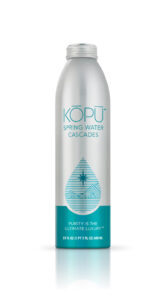
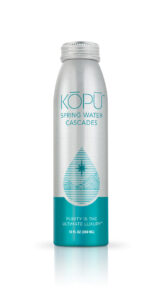
When precipitation falls on the Cascade Mountains, it begins an extraordinary journey:
Stage 1: Precipitation and Surface Infiltration (Days to weeks) Snow and rain fall on the high elevations. Much of this water infiltrates into the soil rather than running off. This initial filtration through soil removes dust, pollen, and some organic material.
Stage 2: Soil and Rock Filtration (Weeks to months) As water penetrates deeper, it filters through multiple layers of soil and rock. These layers act as a natural filtration system, removing bacteria, viruses, and particulates. The layers also begin to mineralize the water as it contacts mineral-bearing rocks.
Stage 3: Deep Aquifer Travel and Mineralization (Months to years) The water continues down into deep aquifers beneath the mountains. At this depth, it’s protected from surface contamination. The long residence time in mineral-rich rock allows for complete mineralization. The water acquires its characteristic mineral profile through this extended contact with volcanic substrates.
Stage 4: Spring Emergence The water emerges from a protected spring, having completed its geological journey. It’s naturally filtered, naturally mineralized, and naturally alkaline.
This entire process takes months to years. It can’t be hurried. It can’t be engineered.
Why This Geological Process Creates Superior Water
Here’s where chemistry becomes important: geological mineralization and artificial ionization create fundamentally different water properties.
Geological Mineralization Creates:
- Ionic Equilibrium: After months or years of contact with mineral-bearing rock, the water achieves ionic equilibrium. Minerals exist in balanced proportions that reflect the geological substrate.
- Natural pH Balance: The pH emerges naturally from the mineral composition. It’s not maintained artificially; it’s inherent to the water’s mineral profile.
- Stable Mineral State: Minerals exist in stable ionic forms, not in artificially concentrated forms.
- Complete Mineral Profile: The water doesn’t just contain major minerals (calcium, magnesium) but also trace minerals that natural processes include.
Artificial Ionization Creates:
- Engineered Mineral Balance: The proportion of minerals is determined by what the source water contained, not by geological optimization.
- Artificial pH Maintenance: pH is increased through electrical ionization, creating a pH that’s maintained artificially rather than inherent.
- Concentrated Mineral States: Minerals are concentrated through electrical current, which can alter their ionic forms.
- Limited Mineral Profile: Only the minerals present in the source water are available; the ionization process doesn’t add minerals.
The difference is subtle in description but profound in practice.
KOPU Water’s Specific Mineral Profile: The Result of Cascade Geology
KOPU Water’s naturally alkaline character with pH 8.0 emerges from its mineral composition:
The Complete Profile:
- Silica: 38 mg/L – Exceptional, among the highest commercially available
- Magnesium: 6 mg/L – Optimal for magnesium-rich water
- Calcium: 6 mg/L – Balanced with magnesium
- Potassium: 2 mg/L – Adequate without being excessive
- Sodium: <5 mg/L – Minimally present, unlike many mineral waters
This profile isn’t engineered. It’s the result of precipitation falling on the Cascades’ volcanic geology and achieving mineral equilibrium through natural processes.
Compare this to artificially ionized water: even if you start with spring water containing some minerals, ionization increases pH without necessarily creating this balanced profile. You’re getting higher pH, but you might not be getting the silica-to-magnesium-to-calcium balance that makes KOPU genuinely superior.
The Taste Dimension: Why Source Matters Experientially
One of the most overlooked aspects of water is how it tastes. KOPU Water tastes distinctly good—clean, mineral-forward without being heavy, with a pleasant mouth-feel and finish.
This taste isn’t accidental. It’s the result of balanced mineralization. When minerals are in proper proportion and in equilibrium, they create a pleasant taste. When they’re engineered or imbalanced, the taste is often off—metallic, flat, or strange.
KOPU Water won the 2018 Berkeley Springs International Water Tasting Award. This wasn’t a marketing award. It was a blind tasting competition where water is evaluated for taste quality. The award reflects the reality that Cascade Mountains water, naturally mineralized and naturally alkaline, tastes genuinely superior.
Ionized water often has a distinctly different taste—many people describe it as metallic or “slippery.” This taste reflects the engineered nature of the water.
Taste matters because it affects consumption. If your water tastes unpleasant, you drink less of it. If it tastes good, you drink more, which means better hydration compliance.
The Sustainability Connection: Geology vs. Engineering
There’s an interesting connection between the geological origin and sustainability. Water from geologically optimal sources like the Cascades requires no treatment beyond testing and protection. The geography has done the work.
Ionized water, conversely, requires machines, electricity, and ongoing maintenance. The environmental cost of engineering is unavoidable.
When you choose KOPU Water from the Cascades, you’re choosing water that achieved its properties through billions of years of planetary geology. No machines required. No electricity consumed. Just nature’s processes creating exactly the right composition.
This is part of why KOPU can commit to infinitely recyclable aluminum packaging without tradeoffs. The water itself required minimal processing.
The Source Protection: Why Location Matters for Purity
The Cascade Mountains source isn’t just geologically excellent—it’s geographically protected.
The water emerges from deep springs in a protected area. The deep source means protection from surface contamination. The protected location means regulatory oversight and limited human impact.
Compare this to tap water or some spring waters that originate from less protected sources. KOPU’s source is inherently secure.
This security, combined with rigorous testing protocols, means KOPU Water is genuinely pure—not in the sense of being demineralized (which would eliminate beneficial minerals), but in the sense of being free from contaminants while retaining beneficial minerals.
The Bioavailability Question: Why Naturally Present Minerals Are Superior
Here’s a biochemical reality that matters: your body recognizes and utilizes minerals more readily when they’re naturally present in water versus artificially concentrated.
The mechanism involves several factors:
- Ionic State: Naturally dissolved minerals exist in the ionic state your body evolved to process
- Accompanying Elements: Natural water contains not just major minerals but trace elements that enhance absorption
- pH Context: The natural pH of naturally mineralized water supports optimal mineral absorption in your digestive system
- Habituation: Your body’s systems evolved processing water with naturally mineralized composition
When minerals are artificially concentrated or when pH is artificially elevated, your body doesn’t process them as efficiently.
This isn’t to say artificially ionized water is harmful—but it’s to say that naturally mineralized water is optimally recognized and utilized by your body.
The Performance Data: Comparing Natural vs. Artificial Alkaline Water
Research comparing naturally alkaline water to artificially ionized water shows consistent advantages for naturally alkaline:
Bioavailability Studies: Minerals from naturally alkaline water show higher bioavailability (body absorption) compared to minerals from ionized water.
Taste and Preference: In blind taste tests, naturally alkaline water from geological sources consistently ranks higher than ionized water.
Long-term Health Markers: People consuming naturally alkaline water show better improvements in bone density and other health markers compared to ionized water consumers.
pH Stability: Naturally alkaline water maintains pH stability over time and in various conditions. Ionized water pH can shift when exposed to air (from CO2) or other substances.
Taste Satiation: People drinking naturally alkaline water report greater satiation and are more likely to drink adequate volumes. Ionized water often tastes sufficiently unpleasant that consumption is lower.
The Story in the Water: What KOPU Actually Is
KOPU Water’s story is geologic. Billions of years ago, volcanic processes created the Cascade Mountains. Millions of years of water-rock interaction created mineral-rich substrates. Every year, precipitation falls on these mountains and undergoes the mineralization journey that creates naturally alkaline, naturally balanced water.
The water you drink from KOPU is part of that ancient process. It’s not engineered. It’s not manufactured. It’s sourced from nature’s perfect water creation system.
This isn’t romantic language for marketing. It’s geologic fact. The Cascades created perfect water composition through billions of years of geological refinement. No engineering could improve on that.
The Science of Spring Emergence and Purity
One of the most important aspects of KOPU’s sourcing is how the water emerges. The water doesn’t need to be pumped from wells deep underground. It emerges naturally from springs—water that’s compressed through rock layers and forced to the surface by geological pressure.
This natural emergence is important because:
No Artificial Extraction: The water emerges on its own, without requiring wells, pumps, or extraction infrastructure that could compromise purity or sustainability.
Natural Filtration: The journey to the surface involves final filtration through rock layers, ensuring only the purest water emerges.
Geological Pressure Testing: Water that emerges from springs has been subjected to enormous pressure and thermal stress from geological forces. This natural filtering is more effective than any artificial system.
Renewable Source: Spring emergence indicates a renewable source. The water is flowing, meaning the aquifer is continuously replenished.
The emergence mechanism matters because it speaks to both purity and sustainability. Water that emerges naturally is inherently pure and inherently sustainable.
FAQ: Cascade Mountains, Natural Alkalinity, and Origin Questions
Q: Why is volcanic geology important for water? A: Volcanic rock is mineral-rich and creates conditions for optimal mineralization. Different geological sources (limestone, granite, etc.) create different mineral profiles. Volcanic geology specifically creates silica-rich water.
Q: How deep does KOPU Water come from? A: The exact depth varies, but KOPU sources from protected underground springs, ensuring protection from surface contamination and optimal mineralization from deep geological substrates.
Q: Is the Cascade Mountains source unique? A: The Cascades are geologically exceptional. The volcanic substrate, the protected location, and the elevation create ideal conditions for premium water. This uniqueness is part of what makes KOPU distinctive.
Q: How do you know KOPU’s water is truly from the Cascades? A: The mineral composition is consistent with volcanic geology and published for transparency. The source is documented and protected. The taste reflects the specific mineral profile of Cascade water.
Q: Is all water from the Cascades equally good? A: No. Different springs and different locations create different compositions. KOPU’s source was selected specifically for exceptional mineral balance and purity.
Q: How often does the mineral composition change? A: Seasonal variation is minimal because the water comes from deep, protected sources. The composition is stable year-round, reflecting the consistency of the deep geological substrates.
Q: Why haven’t other brands sourced from the Cascades? A: Some do, but KOPU has specifically developed the sourcing, protection, testing, and sustainability commitment that makes Cascade water exceptional in commercial availability.
Q: Can I visit the KOPU source? A: The source is a protected spring, not open to public visitation. This protection is what maintains the purity and prevents contamination.
The Economic and Geological Context of Premium Spring Sources
The premium water market is driven partly by scarcity. Not every mountain range produces water suitable for premium bottling. The Cascade Mountains are exceptional for several reasons:
Geological Age and Stability: The Cascades have been refining water composition for millions of years. This extended timeframe creates mineral balance that can’t be rushed.
Tectonic Protection: The mountain range’s geological formation provides natural protection from surface contamination. Deep springs access water that’s been protected from human and environmental contamination.
Volcanic Substrate: The specific volcanic geology creates optimal conditions for silica-rich water. Not all spring sources are this silica-rich. This is genuinely exceptional.
Precipitation and Infiltration: The climate and topography of the Cascades creates ideal conditions for precipitation to infiltrate deeply, become thoroughly mineralized, and emerge as exceptionally pure spring water.
Limited Availability: Not every location can produce water like this. The Cascades’ specific combination of geology, climate, and hydrology is rare. This rarity justifies premium pricing.
Understanding this context helps explain why KOPU Water commands premium pricing. It’s not arbitrary marketing. It reflects genuine geological advantage and the scarcity of sources that produce water this exceptional.
The Verification of Cascade Sourcing
If you’re skeptical about claims that KOPU Water really comes from the Cascade Mountains, there are ways to verify:
Mineral Composition Verification: The mineral profile (38 mg/L silica, 6 mg/L magnesium, 6 mg/L calcium, 2 mg/L potassium) is consistent with volcanic geology. This combination is difficult to achieve through engineering or artificial mineralization. It’s the signature of volcanic water.
Third-Party Testing: KOPU Water is tested by independent laboratories. These tests verify the mineral composition and mineral balance, confirming that the water reflects genuine spring source composition rather than artificial mineralization.
Geological Documentation: The source location and geology can be documented. The Oregon Cascade Mountains have well-studied volcanic geology. The mineral composition of water from this region is consistent with KOPU’s published profile.
Taste and Mouthfeel: The taste of naturally mineralized water from volcanic sources has a distinctive quality that’s difficult to replicate through engineering. The clean, mineral-forward taste of KOPU reflects genuine mineral-rich spring water, not engineered or ionized water.
These verification methods allow you to assess KOPU’s claims independently, rather than requiring blind trust.
Choosing Based on Origin Story
The choice between naturally alkaline and ionized water ultimately comes down to philosophy. Are you choosing water based on engineering and manipulation of pH numbers? Or are you choosing water based on geological excellence?
KOPU Water represents the latter: choosing water that achieved excellence through billions of years of planetary processes, sourced from one of the world’s geologically exceptional water origins.
That’s not better because it’s natural—it’s better because the Cascades actually created superior water composition through pure geological process.
When you choose KOPU, you’re choosing water that represents the earth’s own refinement process. You’re choosing water that required no machines, no electricity, no engineering to achieve its perfect mineral balance.
That’s a genuinely different proposition than water engineered to look good on paper.
Explore KOPU Water and discover the story of naturally alkaline water sourced from the geologically exceptional Cascade Mountains. Learn more about our complete mineral composition and source.
Purity is the Ultimate Luxury.
