
The modern wellness conversation has become increasingly sophisticated about mineral status and its effects on health. Where magnesium was once overlooked or relegated to specialty supplements, it’s now recognized as genuinely central to stress regulation, sleep quality, recovery, and overall vitality.
But here’s where premium alkaline water becomes genuinely strategic: it provides naturally occurring magnesium in the precise context where your body is most receptive to it—during hydration.
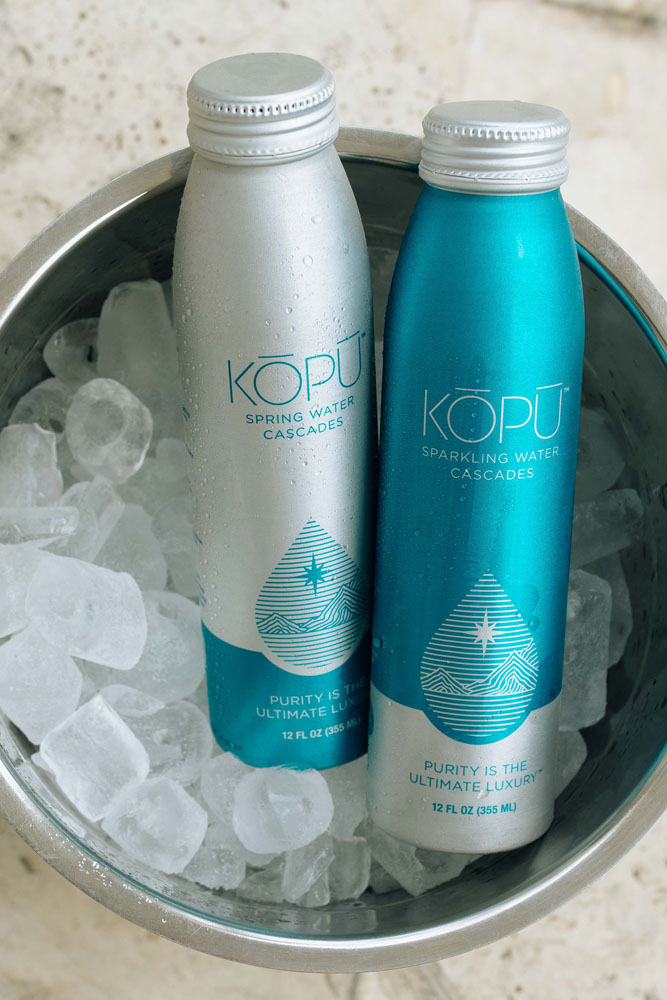
When your daily water contains adequate magnesium (as KOPU Water does, with 6 mg/L), you’re not just hydrating. You’re providing your body with a mineral it fundamentally needs, delivered in the way evolution prepared your body to receive it—through water.
This is where the distinction between magnesium supplementation and magnesium-rich water becomes meaningful. Not because one is inherently superior, but because water-based magnesium integrates with your biology in ways that support recovery, stress management, and sleep quality in measurable, real ways.
The Magnesium Depletion Crisis: Why Most People Are Deficient

Magnesium deficiency is shockingly common. Conservative estimates suggest 40-70% of developed-world populations don’t consume adequate magnesium. The reasons are multiple:
Depleted Soils: Modern agricultural practices have depleted magnesium from soils. Plants grown in magnesium-poor soil contain less magnesium. Crops that once contained meaningful magnesium now don’t.
Processed Food Dominance: Magnesium is concentrated in whole foods, particularly green vegetables, nuts, seeds, and whole grains. Processed foods—which dominate most diets—contain minimal magnesium.
Stress and Depletion: Chronic stress actually depletes magnesium. The more stressed you are, the more magnesium your body consumes to manage stress response. It’s a vicious cycle: stress depletes magnesium, magnesium depletion worsens stress response.
Water Softening: In areas where water is artificially softened, magnesium (and other minerals) is removed. People in these areas have lower magnesium intake from water.
Modern Beverages: People drink coffee, sodas, and other beverages that either contain no magnesium or actively interfere with magnesium absorption.
The result: the average person in developed countries consumes 50-75% of the recommended magnesium intake. Mild deficiency is the norm.
What Magnesium Deficiency Actually Looks Like

The signs of magnesium deficiency are subtle but increasingly apparent:
Sleep Issues: Difficulty falling asleep, light sleep, waking during the night, unrefreshing sleep. These are the most common symptoms.
Muscle Tension and Cramps: Persistent muscle tension (particularly in the neck, shoulders, lower back), muscle cramps, restless legs at night.
Anxiety and Stress Sensitivity: Heightened anxiety, difficulty managing stress, feeling constantly on edge, excessive worry.
Fatigue: Not the dramatic fatigue of illness, but persistent low energy, difficulty engaging with physical activity, post-exercise fatigue that’s excessive.
Migraines or Headaches: Recurring tension headaches or migraines, often worse during periods of stress.
Metabolic Issues: Slow metabolism, difficulty maintaining healthy weight, impaired glucose regulation.
Cognitive Issues: Brain fog, difficulty concentrating, slower processing speed, poor memory.
Most people don’t connect these symptoms to magnesium deficiency. They assume they’re just stressed, or genetically prone to poor sleep, or getting older. In reality, they’re often magnesium deficiency symptoms—correctable through adequate intake.
How Magnesium Actually Works in Your Body

To understand why magnesium in water matters, you need to understand what magnesium actually does:
Nervous System Regulation: Magnesium is the mineral your body uses to activate the parasympathetic nervous system—the “rest and digest” state. Without adequate magnesium, your body remains in sympathetic activation (fight-or-flight), even when there’s no actual threat.
This is the core mechanism: magnesium literally allows your nervous system to downshift from stress response to recovery mode.
Stress Hormone Regulation: Magnesium regulates cortisol, the primary stress hormone. With adequate magnesium, cortisol rises appropriately to real stress and normalizes when stress passes. Without it, cortisol can remain elevated chronically, creating persistent stress physiology.
Sleep-Wake Regulation: Magnesium regulates melatonin, the hormone that initiates sleep. It also activates the sleep-promoting neurotransmitter GABA. Without adequate magnesium, the biological processes that initiate sleep are impaired.
Muscle Relaxation: Calcium causes muscles to contract. Magnesium causes them to relax. This is a fundamental physiological pair. Without adequate magnesium, muscles remain in partial contraction—you experience tension, stiffness, and reduced recovery.
ATP Production: Magnesium is essential for ATP synthesis—the energy currency of your cells. Without adequate magnesium, your cells literally can’t produce energy efficiently.
Inflammation Regulation: Magnesium helps regulate inflammatory response. Deficiency is associated with chronic low-level inflammation.
Essentially, magnesium is the mineral of relaxation, recovery, and parasympathetic function. Everything in modern life works against adequate magnesium: stress depletes it, processed food lacks it, chlorinated water may interfere with absorption.
The Recovery Triangle: Sleep, Stress, and Magnesium
Here’s where the interconnection becomes clear. Athletic recovery, stress management, and sleep quality form a triangle where magnesium affects all three:
Better Sleep (through magnesium): Improved recovery because most tissue repair happens during sleep
Reduced Stress Response (through magnesium): Lower cortisol means better recovery, better immune function, better hormone balance
Better Athletic Recovery (through magnesium): Muscle relaxation, reduced DOMS, faster return to performance capacity
These aren’t separate benefits. They’re interconnected. Magnesium improves one, which improves the others.
A person with adequate magnesium status demonstrates:
- Better sleep quality and duration
- Lower baseline cortisol and better stress response
- Faster athletic recovery and reduced injury risk
- Better mood and cognitive function
- More resilient immune system
- Better metabolic function
All from a single mineral.
KOPU Water’s Magnesium Content: Meaningful but Not Megadose
KOPU Water contains 6 mg/L of magnesium. A 750 mL bottle provides 4.5 mg of magnesium.
Is this a megadose? No. But here’s why it matters:
Daily Requirement: The recommended daily magnesium intake is 310-420 mg (depending on age and sex). Most people consume 150-250 mg through food.
KOPU’s Contribution: Drinking 2-3 bottles daily (typical hydration volume) adds 9-13.5 mg of magnesium daily.
The Cumulative Effect: Over a year, that’s an additional 3,285-4,927 mg of magnesium—more than the total many people consume through food alone.
More importantly, it fills the gap between what people consume and what they need without requiring supplementation or special effort.
The Bioavailability Advantage: Water-Based Magnesium
Here’s where water-based magnesium becomes strategically important: bioavailability.
Magnesium supplements vary dramatically in form (citrate, glycinate, oxide, threonate, etc.) and have varying absorption rates. Some forms cause digestive distress. Absorption is dependent on stomach acid, digestive health, and individual variation.
Magnesium in water is dissolved in a form that’s already bioavailable. Your body doesn’t need to process it or absorb it through your digestive system in the same way—it’s already in a form your body recognizes.
Additionally, magnesium in water is consumed throughout the day (you drink water throughout the day), not in large doses at specific times. Smaller, distributed magnesium doses actually result in better net absorption than large single doses.
This is why people often report that switching to magnesium-rich water produces better results than taking magnesium supplements—it’s not placebo. The delivery method matters.
The Sleep Transformation: What to Expect
If you’re currently magnesium deficient and switch to magnesium-rich water like KOPU, you’ll likely notice changes in sleep:
Week 1: Subtle changes. You might fall asleep slightly faster or feel slightly less restless during the night.
Week 2-3: More noticeable changes. Sleep becomes deeper. You wake fewer times during the night. You feel more rested in the morning.
Week 4-8: Significant changes. Sleep quality markedly improves. You feel genuinely rested for the first time in years. Energy during the day improves noticeably.
The timeline varies based on how deficient you were and your individual biology. But sleep improvement is one of the most consistent reported benefits of increasing magnesium intake.
Stress Management and the Nervous System
Beyond sleep, the stress management benefits are equally real:
With adequate magnesium, your nervous system’s ability to downshift from stress response improves dramatically. You experience:
- Lower baseline anxiety
- Better stress response (able to activate when needed, downshift when stress passes)
- Fewer catastrophic thoughts or anxiety spirals
- Better emotional regulation
- Less reactive behavior
Again, timeline varies. Some people notice improvement within days. Others take weeks. But the change is measurable and real.
Combining Magnesium-Rich Water With Other Recovery Practices
The power of magnesium-rich water emerges when combined with other intentional practices:
With Quality Sleep: The sleep improvement from magnesium becomes foundation for recovery. Better sleep enables everything else.
With Stress Management: Magnesium supports parasympathetic activation, which makes stress management practices more effective.
With Exercise: Magnesium supports muscle relaxation and recovery, allowing for better training adaptation.
With Meditation or Breathwork: Magnesium supports the nervous system shifts that these practices facilitate.
With Reduced Caffeine: Caffeine depletes magnesium and increases cortisol. Reducing caffeine while increasing magnesium creates synergistic benefits.
The most sophisticated wellness strategies combine these elements: adequate magnesium-rich hydration, quality sleep prioritization, stress management practice, appropriate exercise, and reduced stimulant consumption.
The Distinction From Supplementation
Magnesium-rich water is distinct from magnesium supplementation in important ways:
Supplementation: Takes a specific dose at a specific time. Best absorbed if taken with food. Can create digestive distress in some people. Requires discipline and remembering.
Water-Based: Distributed throughout the day as you naturally hydrate. No digestive distress. Integrated into normal behavior. Requires only choosing premium water.
Neither is inherently superior. But water-based magnesium has advantages for people who struggle with supplement compliance or who want to avoid megadoses.
The ideal approach for some people combines both: magnesium-rich water for baseline adequacy, plus supplementation if additional magnesium is specifically needed for particular situations (high stress periods, intensive training, etc.).
The Alkalinity Connection: Why pH Matters
Beyond magnesium, KOPU’s naturally alkaline pH (8.0) supports magnesium bioavailability and nervous system effects:
pH and Absorption: Magnesium absorption is optimized in slightly alkaline conditions. KOPU’s pH 8.0 is in the range that supports optimal absorption.
Alkaline Buffering: The mineral content that creates KOPU’s alkalinity works synergistically with magnesium. Calcium and magnesium work together for nervous system regulation.
Blood pH: Consuming alkaline water supports maintaining slightly alkaline blood pH. Magnesium in this context works optimally.
The complete mineral profile of KOPU—magnesium, calcium, silica, potassium, at pH 8.0—creates better nervous system support than magnesium in isolation.
The Cost-Benefit of Magnesium-Rich Water vs. Supplementation
Let’s look at the economics:
Magnesium Supplementation (200 mg capsule, 2x daily):
- Cost: $10-20 per month
- Additional: Remembering to take it, potential GI distress for some, megadose approach
Magnesium-Rich Water (KOPU Water, daily hydration):
- Additional: Integrates seamlessly into normal hydration — no pills, no timing, no additional discipline required
The water costs more in absolute terms, but you’re getting water you’d be buying anyway. The magnesium is an advantage of choosing premium water intentionally.
For many people, the water-based approach is superior because it doesn’t require supplementation compliance and integrates into existing behavior.
FAQ: Magnesium, Alkaline Water, and Wellness Questions
Q: How long until I notice magnesium benefits? A: Sleep improvements often within 1-2 weeks. Stress benefits within 2-4 weeks. Cumulative health benefits over months.
Q: Is 6 mg/L of magnesium enough? A: As part of a dietary intake pattern, yes. It’s meaningful addition to food sources, closing the gap for many people.
Q: Should I combine magnesium-rich water with magnesium supplements? A: For most people, no. For people with specific magnesium depletion or during high-stress periods, potentially yes. Consult healthcare provider.
Q: Does magnesium in water interact with medications? A: Generally no, but certain medications (some antibiotics, bisphosphonates for bone health) have absorption interactions. Consult healthcare provider if on specific medications.
Q: If I drink magnesium-rich water, will I definitely sleep better? A: Most people notice improvement, but individual responses vary. Sleep improvement is common but not universal.
Q: Can I drink too much magnesium-rich water? A: No. Excess magnesium is readily excreted. You’re not accumulating magnesium; you’re supporting baseline adequacy.
Q: Is magnesium-rich water better than magnesium supplements? A: Different strengths. Water is convenient and integrates into behavior. Supplements provide higher doses. Optimal approach varies individually.
Q: Do I need to do anything special to optimize magnesium absorption? A: No. Simply drink magnesium-rich water consistently. Avoid excessive caffeine and alcohol, which interfere with absorption.
The Synergistic Approach: Combining Magnesium Water With Other Practices
While magnesium-rich water is powerful on its own, its benefits compound when combined with other intentional wellness practices:
With Sleep Prioritization: Magnesium supports the biochemistry of sleep initiation. Combined with prioritizing sleep timing and duration, the sleep improvements are dramatic.
With Stress Management Practices: Magnesium supports parasympathetic activation. Combined with meditation, breathwork, or other practices that facilitate nervous system downshift, the effect is synergistic.
With Physical Activity: Magnesium supports muscle recovery from exercise. Combined with appropriate training, recovery accelerates.
With Reduced Caffeine: Caffeine depletes magnesium and elevates cortisol. Reducing caffeine while increasing magnesium creates synergistic benefits—the combination works far better than either alone.
With Consistent Practice: The power emerges from daily consistency. One day of good hydration and one night of good sleep creates minor benefit. Months and years of consistent practice create transformation.
This synergistic approach—where multiple practices reinforce each other—is where genuine wellness transformation happens.
The Magnesium-Sleep-Recovery Cascade
Understanding the interconnection between magnesium, sleep, and recovery helps illustrate why mineral-rich water is genuinely foundational:
Better Sleep (from magnesium): Your body enters deeper sleep, during which growth hormone is released, tissue repair accelerates, immune system strengthens, and consolidated learning occurs.
Better Recovery (from better sleep): Your body recovers more completely from training stress. Muscle protein synthesis is more efficient. Nervous system downregulation is more complete.
Better Training Capacity (from better recovery): With better recovery, you can train harder, more consistently, with fewer injuries, and progress faster.
Better Stress Resilience (from consistent quality recovery): Your body’s baseline stress hormone status improves. You’re more resilient to daily stress because you’re recovering from it more completely.
Better Cognitive Function (from better sleep and lower stress): Your brain functions optimally when you’re sleeping well and stress-resilient.
This cascade—where magnesium supports better sleep, which enables better recovery, which enables better training, which improves overall health—illustrates why mineral-rich water is so powerful. One simple intervention (better hydration) creates a cascade of improvements across multiple life domains.
Measuring Your Improvements
If you’re implementing magnesium-rich hydration as part of your wellness strategy, it’s valuable to measure improvements:
Sleep Quality: Track sleep onset time, wake frequency, and how rested you feel. Over 4-8 weeks, improvements should be apparent.
Stress and Anxiety: Notice baseline anxiety levels and stress response intensity before and after increasing magnesium intake.
Energy and Fatigue: Track energy levels throughout the day and post-exercise fatigue intensity.
Physical Recovery: Notice muscle soreness intensity, joint health, and overall physical resilience.
Mood and Cognitive Function: Notice mood baseline, cognitive clarity, and stress resilience.
By measuring these dimensions, you can verify whether magnesium-rich hydration is genuinely working for you, which reinforces commitment.
The Quiet Power of Mineral-Rich Hydration
At the deepest level, the benefits of magnesium-rich alkaline water represent something important: the recognition that your body isn’t a complicated machine requiring expert intervention to function. It’s a biological system that works optimally when provided with what it actually needs.
Your body needs magnesium. It needs adequate hydration. It needs minerals in appropriate proportions. It needs slightly alkaline pH. It needs calm, recovery-oriented nervous system states.
KOPU Water provides all of these things, not through engineering or supplementation, but through naturally sourced, naturally balanced water.
The power of this approach is its simplicity. You don’t need to remember to take supplements. You don’t need complicated protocols. You simply choose water that’s genuinely excellent and let the natural mineral composition support your health.
Over months and years, this choice compounds. Better sleep leads to better recovery. Better recovery leads to better stress resilience. Better stress resilience means less cortisol dysregulation. Combined, these create genuine improvements in health and vitality.
That’s what magnesium-rich alkaline water actually represents: the foundation of wellness simplified to its essence.
Explore KOPU Water and discover how naturally balanced minerals—particularly magnesium—support sleep, stress recovery, and overall wellness. Learn more about our complete mineral composition and the science behind why mineral balance matters.
Purity is the Ultimate Luxury.
