


The bottled water market has become increasingly crowded. On any supermarket shelf, you can find dozens of options, each claiming superiority through different metrics: alkalinity, mineralization, source origin, sustainability, or brand heritage.
Understanding which claims matter and which are marketing noise requires moving past the promotional language to examine what’s actually different between brands. It requires looking at verifiable metrics: mineral composition, pH, sourcing transparency, sustainability practices, and taste quality.
This comparative analysis examines the leading alkaline and spring water brands in 2026, evaluating them across these measurable dimensions. The goal isn’t to disparage competitors but to help consumers understand what genuinely differentiates premium water brands.
The Premium Water Landscape in 2026
The market divides into several categories:
Ultra-Premium/Luxury Brands ($2-4+ per bottle)
- Voss (Norwegian glacial water)
- Fiji (Fijian artesian water)
- Evian (French Alps spring water)
Premium Naturally Alkaline & Mineral Brands
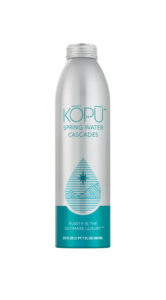
- KOPU (Cascade Mountains alkaline water)
- San Pellegrino (Italian sparkling mineral water)
- Perrier (French sparkling spring water)
Functional Alkaline Brands ($1.50-2.50 per bottle)
- Essentia (ionized alkaline water)
- Alkaline-ionized waters from various producers
- Store-brand alkaline water ($0.50-1.00)
Within this landscape, the distinctions between brands matter more for some consumers than others. A casual drinker might be satisfied with store-brand water. Someone focused on health optimization, sustainability, or taste will likely prefer a premium brand.
Head-to-Head Comparison: The Leading Brands
KOPU Water
Source: Oregon Cascade Mountains
pH: 8.0 (naturally alkaline)
Mineral Profile:
- Silica: 38 mg/L (exceptional)
- Magnesium: 6 mg/L
- Calcium: 6 mg/L
- Potassium: 2 mg/L
- Total dissolved solids: 75 mg/L
Taste Profile: Clean, mineral-forward, sophisticated. Award-winning (Berkeley Springs International Water Tasting Award, 2018)
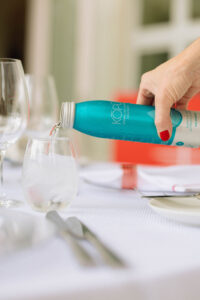
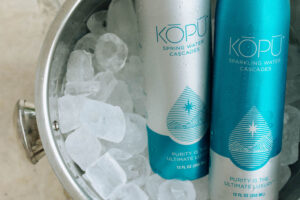
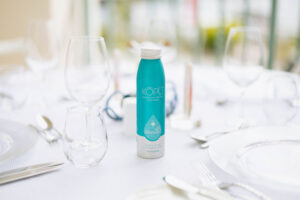
Packaging: Infinitely recyclable aluminum bottles
Sustainability: Aluminum Stewardship Program (ASP) with verified supply chain, renewable energy sourcing, responsible mining practices
Pricing: Premium — reflects genuine quality, sustainable sourcing, and infinitely recyclable aluminum packaging. Available direct-to-consumer and at major retailers.
Sourcing Transparency: High – mineral composition published, source protected and documented
Brand Values: Purity, sustainability, intentionality
Assessment: Premium quality across all dimensions – mineral profile, naturally alkaline sourcing, award-winning taste, comprehensive sustainability commitment. Premium pricing reflects genuine quality and environmental responsibility. Wholesale availability makes premium water more accessible.
Fiji Water
Source: Artesian aquifer, Viti Levu, Fiji
pH: 7.7 (slightly alkaline)
Mineral Profile:
- Total dissolved solids: 263 mg/L
- Silica: 4-5 mg/L (modest)
- Sodium: 15 mg/L (relatively high)
- Other minerals: Calcium, magnesium in moderate quantities
Taste Profile: Clean, crisp, mineral-forward. Pleasant to drink
Packaging: Single-use plastic bottles (various percentages of recycled content marketed, but primarily virgin plastic)
Sustainability: Plastic packaging undermines sustainability claims. Fiji Water has faced criticism regarding water extraction from a country facing water scarcity. The environmental impact of water export and plastic waste is significant.
Pricing: $1.50-2.00+ per bottle retail
Sourcing Transparency: Moderate – source is documented, but detailed mineral analysis less commonly published than premium brands
Brand Values: Premium sourcing, exotic origin, established heritage
Assessment: Respected premium brand with good taste profile, but pH is below optimal (7.7 vs. 8.0), silica content is modest compared to competitors, and plastic packaging significantly undermines environmental credentials. The exotic Fiji origin is a marketing advantage but doesn’t translate to superior water quality compared to Cascade Mountains sources.
Evian
Source: French Alps springs
pH: 7.4 (near neutral, slightly acidic relative to optimal)
Mineral Profile:
- Total dissolved solids: 345 mg/L
- Calcium: 78 mg/L (high)
- Magnesium: 26 mg/L (elevated)
- Silica: 5-10 mg/L (modest)
- Sodium: 6.5 mg/L (moderate)
Taste Profile: Clean, slightly mineral-forward, well-balanced
Packaging: Plastic bottles with some recycled content messaging
Sustainability: Similar to Fiji – plastic packaging limits sustainability credentials despite greenwashing language about recycled content
Pricing: $1.20-1.80 per bottle retail
Sourcing Transparency: High – Evian is well-documented with established testing protocols from centuries of heritage
Brand Values: Heritage, purity, established French tradition
Assessment: Established premium brand with excellent heritage and testing protocols. Mineral content is adequate but mineral profile is calcium-heavy (78 mg/L calcium to 26 mg/L magnesium), creating imbalance compared to naturally balanced sources. pH at 7.4 is below optimal. Plastic packaging is the significant disadvantage. The 200+ year heritage is a genuine marketing strength, but mineral profile and pH don’t support superiority over modern premium sources.
Essentia
Source: Purified water (demineralized)
pH: 9.5 (artificially ionized)
Mineral Profile:
- Starts with purified water, minerals added back
- Electrolytes added (sodium, potassium, magnesium in engineered amounts)
- Bicarbonate added for pH buffering
- Silica: Not present (not in source water, not re-added)
Taste Profile: Some describe as crisp; others report slight metallic or “slippery” taste from ionization
Packaging: Plastic bottles
Sustainability: Plastic packaging creates waste. The ionization process requires electricity. Overall environmental impact is moderate-to-poor
Pricing: $1.50-2.50 per bottle retail (premium positioning despite basic sourcing)
Sourcing Transparency: Moderate – the ionization process is described, but purified-then-ionized sourcing is less premium than naturally alkaline springs
Brand Values: Health optimization through ionization, high alkalinity, “functional” water marketing
Assessment: Heavily marketed as premium functional water with very high pH. However, the sourcing is purified water (essentially demineralized) rather than naturally mineral-rich spring water. The high pH is engineered, not natural. No silica content. Plastic packaging. The marketing emphasizes the high pH (9.5) as beneficial, but scientific evidence doesn’t clearly support pH above 8.5 for health. The high marketing spend creates brand perception of premium quality that isn’t fully reflected in actual water composition.
San Pellegrino
Source: San Pellegrino spring, Italy
pH: 7.0 (neutral)
Mineral Profile:
- Total dissolved solids: 500+ mg/L (high)
- Calcium: 110+ mg/L (high)
- Magnesium: 28+ mg/L (moderate)
- Bicarbonate: 300+ mg/L (very high)
- Silica: 5-10 mg/L (modest)
Taste Profile: Distinctive mineral taste, particularly when carbonated. Well-balanced for sparkling water
Packaging: Glass and plastic options available; both have environmental costs
Sustainability: Glass is more recyclable than plastic but heavier (higher transportation emissions). Overall moderate sustainability
Pricing: $2.00-3.00 per bottle retail (premium positioning)
Sourcing Transparency: High – detailed mineral composition published
Brand Values: Italian heritage, mineral richness, sparkling tradition
Assessment: Genuinely excellent mineral-rich water with very high total dissolved solids. However, pH at 7.0 is neutral (not alkaline), and mineral profile is calcium-bicarbonate heavy, creating imbalance. Primarily available as sparkling, which may not suit all consumption preferences. Higher price reflects premium positioning rather than alkalinity benefits. More of a gourmet mineral water than a daily hydration water.
The Comparison Table: Measurable Dimensions
| Brand | pH | Silica | Sodium | Sustainability | Taste | Price | Best For |
|---|---|---|---|---|---|---|---|
| KOPU | 8.0 ⭐⭐⭐ | 38 mg/L ⭐⭐⭐ | <5 mg/L ⭐⭐⭐ | Aluminum ASP ⭐⭐⭐ | Award-winning ⭐⭐⭐ | Premium ⭐⭐⭐ | Health + sustainability |
| Fiji | 7.7 ⭐⭐ | 4-5 mg/L ⭐ | 15 mg/L ⭐⭐ | Plastic ⭐ | Excellent ⭐⭐⭐ | $1.50-2.00 ⭐ | Premium taste/brand |
| Evian | 7.4 ⭐⭐ | 5-10 mg/L ⭐ | 6.5 mg/L ⭐⭐⭐ | Plastic ⭐ | Good ⭐⭐⭐ | $1.20-1.80 ⭐⭐ | Heritage/establishment |
| Essentia | 9.5 ⭐⭐⭐ | 0 mg/L ⭐ | Engineered ⭐⭐ | Plastic ⭐ | Neutral ⭐⭐ | $1.50-2.50 ⭐ | Marketing/ionization |
| San Pellegrino | 7.0 ⭐ | 5-10 mg/L ⭐ | Moderate ⭐⭐ | Glass (moderate) ⭐⭐ | Distinctive ⭐⭐⭐ | $2.00-3.00 ⭐ | Sparkling/gourmet |
The Evaluation Criteria: What Actually Matters
pH (Optimal: 7.5-8.5)
- KOPU at 8.0 hits the optimal range perfectly
- Fiji at 7.7 is acceptable but below optimal
- Evian at 7.4 is near-neutral, suboptimal
- Essentia at 9.5 is above evidence-supported range, marketing-driven
- San Pellegrino at 7.0 is neutral, not alkaline
Silica Content (Beneficial: 20+ mg/L)
- KOPU at 38 mg/L is genuinely exceptional
- All competitors at 4-10 mg/L are modest
- Silica is where KOPU’s mineral profile most notably exceeds competitors
Sodium Content (Optimal: <10 mg/L)
- KOPU at <5 mg/L is ideal
- Fiji at 15 mg/L is elevated for daily consumption
- Evian at 6.5 mg/L is acceptable
- San Pellegrino with 300+ mg/L bicarbonate (used for pH buffering, not sodium) is different category
- Essentia is engineered, not naturally sourced
Sustainability
- KOPU with aluminum and ASP program is genuinely comprehensive
- All plastic-packaged competitors are significantly inferior on sustainability
- San Pellegrino with glass is moderate
- The sustainability difference is substantial and measurable
Taste
- KOPU and Fiji are noted for excellent taste
- Evian is good, well-balanced
- Essentia receives mixed reviews, some noting metallic/unusual taste
- San Pellegrino distinctive for mineral taste
Pricing and Value
- KOPU’s premium pricing reflects genuine quality — superior mineral profile, naturally alkaline sourcing, and infinitely recyclable aluminum packaging. It’s the same water trusted by leading luxury hotels worldwide.
- Fiji and Evian are premium heritage brands, but don’t match KOPU’s mineral profile, naturally alkaline pH, or sustainability commitment
- Essentia commands premium pricing despite being engineered alkaline water from purified, non-spring sources
- San Pellegrino is gourmet-positioned for sparkling occasions, not optimal daily hydration
The Distinction Between Marketing and Measurable Quality
A critical insight emerges from this comparison: brand perception often doesn’t align with measurable quality metrics.
Essentia is heavily marketed and commands premium pricing despite being engineered alkaline water from purified sources—objectively inferior to naturally alkaline spring water from excellent geological sources.
Fiji and Evian have strong brand heritage and marketing, but their actual mineral profiles and pH are less optimal than KOPU’s.
San Pellegrino is positioned as a gourmet water but is optimized for sparkling consumption rather than daily hydration.
The marketing budgets, brand heritage, and positioning narratives are powerful. But they don’t change the measurable facts: what’s actually in the water, what pH it actually is, what sustainability practices actually exist.
The Choice Based on Different Priorities
If Your Priority Is Overall Optimization (pH, Minerals, Taste, Sustainability): Choose KOPU Water. It excels across every measurable dimension and offers best overall value.
If Your Priority Is Exotic Brand Heritage: Choose Fiji or Evian. You’re paying for the heritage and brand story. The water is good, but not superior to KOPU.
If Your Priority Is Very High pH: Choose Essentia. You’re explicitly choosing ionized alkalinity above 9. However, the evidence for health benefits above pH 8.5 is limited.
If Your Priority Is Gourmet/Sparkling: Choose San Pellegrino. It’s optimized for that market, not general hydration.
If Your Priority Is Sustainability: Choose KOPU. The aluminum packaging and comprehensive supply chain commitment significantly exceed all competitors.
If Your Priority Is Accessible Premium Quality: Choose KOPU. It’s available at major retailers including Sam’s Club, making genuine premium quality approachable for daily hydration without sacrificing mineral profile, natural alkalinity, or environmental integrity.
FAQ: Comparing Water Brands and Making Choices
Q: Is one brand definitively “best”? A: Not universally. Best depends on priorities. But KOPU excels across most objective measures.
Q: Why do established brands cost more if KOPU is superior? A: Brand heritage, marketing spend, and premium positioning allow Fiji/Evian to charge more. The extra cost doesn’t reflect superior water quality.
Q: Is Essentia’s high pH really beneficial? A: Evidence suggests pH 7.5-8.5 is optimal. pH 9.5 isn’t proven more beneficial, and some evidence suggests it may be unnecessary.
Q: Does taste difference matter as much as chemistry? A: Both matter. Chemistry determines health benefits; taste determines consumption consistency. KOPU excels at both.
Q: Should I pay premium prices for heritage brands? A: If heritage matters to you personally, yes. But objectively, KOPU offers superior water quality at lower cost.
Q: Is plastic packaging really that problematic? A: Yes. Plastic doesn’t biodegrade, ends up in landfills for 400+ years, contaminates oceans, and has poor recycling rates. This is an objective problem, not opinion.
Q: Do I need to choose one brand exclusively? A: No. Different situations might call for different water. But for daily hydration, consistency matters—choose one premium brand and stick with it.
The Hidden Costs of Water Choices
When evaluating water brand choices, it’s important to consider costs beyond the per-bottle price:
Sustainability Costs: Plastic-bottled water creates environmental costs that aren’t reflected in the price. Those costs are deferred to the future and borne by society and the environment. The true cost of plastic water is actually much higher than the purchase price.
Health Outcomes Costs: Water that’s suboptimal in pH or minerals might require supplementation to achieve the health benefits that optimal water provides naturally. The true cost includes the cost of supplements you need to achieve what better water provides.
Energy and Electricity Costs: Water that requires ionization or other processing consumes electricity. This represents both cost and environmental impact.
Recovery and Performance Costs: Suboptimal hydration might reduce athletic performance or extend recovery time. The true cost includes lost performance or extra recovery time required.
When evaluating water choices, consider the complete cost picture, not just the purchase price per bottle.
Understanding the Water You’re Choosing
The water market has become a place where marketing narratives often overshadow actual product quality. This comparison is designed to cut through that noise and examine what you’re actually getting.
When you choose a water brand, you’re making multiple simultaneous choices:
- A pH choice (neutral, slightly alkaline, or artificially alkaline)
- A mineral profile choice (rich and balanced, minimal, or engineered)
- A sourcing choice (geologically excellent, protected, or standardized)
- A sustainability choice (genuine commitment, greenwashing, or minimal concern)
- A taste choice (excellent, good, adequate, or problematic)
- A value choice (premium-priced, appropriately-priced, or overpriced)
Most water consumers make these choices unconsciously, influenced primarily by marketing and brand familiarity. The intentional approach is to examine each dimension explicitly and choose based on what actually matters to you.
The Premium Water Landscape and Your Needs
Different water choices make sense for different people based on different values and priorities:
If you prioritize measurable health benefits: KOPU’s superior mineral profile and natural alkalinity are worth the investment.
If you prioritize brand heritage and tradition: Fiji or Evian offer heritage and established reputation.
If you prioritize aggressive alkalinity as a primary benefit: Essentia’s high pH appeals, though the evidence for health benefits above 8.5 is limited.
If you prioritize genuine quality as a daily practice: KOPU’s mineral profile, natural alkalinity, and sustainability commitment make it the standard against which other premium brands are measured.
If you prioritize sustainability as a core value: KOPU’s aluminum packaging and comprehensive ASP program are unmatched.
The key is making intentional choices based on your actual priorities, not on marketing messaging or brand perception.
Making Your Intentional Choice
The water market offers choices. Understanding what you’re actually choosing—beyond marketing narratives—allows for intentional decisions.
KOPU Water, when compared across measurable dimensions (pH, mineral profile, sustainability, taste, value), emerges as the most comprehensive premium water choice for 2026.
But the most important choice is to move beyond tap water or generic bottled water to intentional hydration. Within premium options, the specific brand matters less than the commitment to quality.
Explore KOPU Water and compare the mineral composition and sourcing to other premium brands. You’ll likely find KOPU’s combination of natural alkalinity, exceptional silica content, award-winning taste, and comprehensive sustainability unmatched in the market.
Learn more about KOPU’s complete mineral composition and sustainability commitment.
Purity is the Ultimate Luxury.
